
What Divorced Parents Can Learn From Their Children About Blending Families
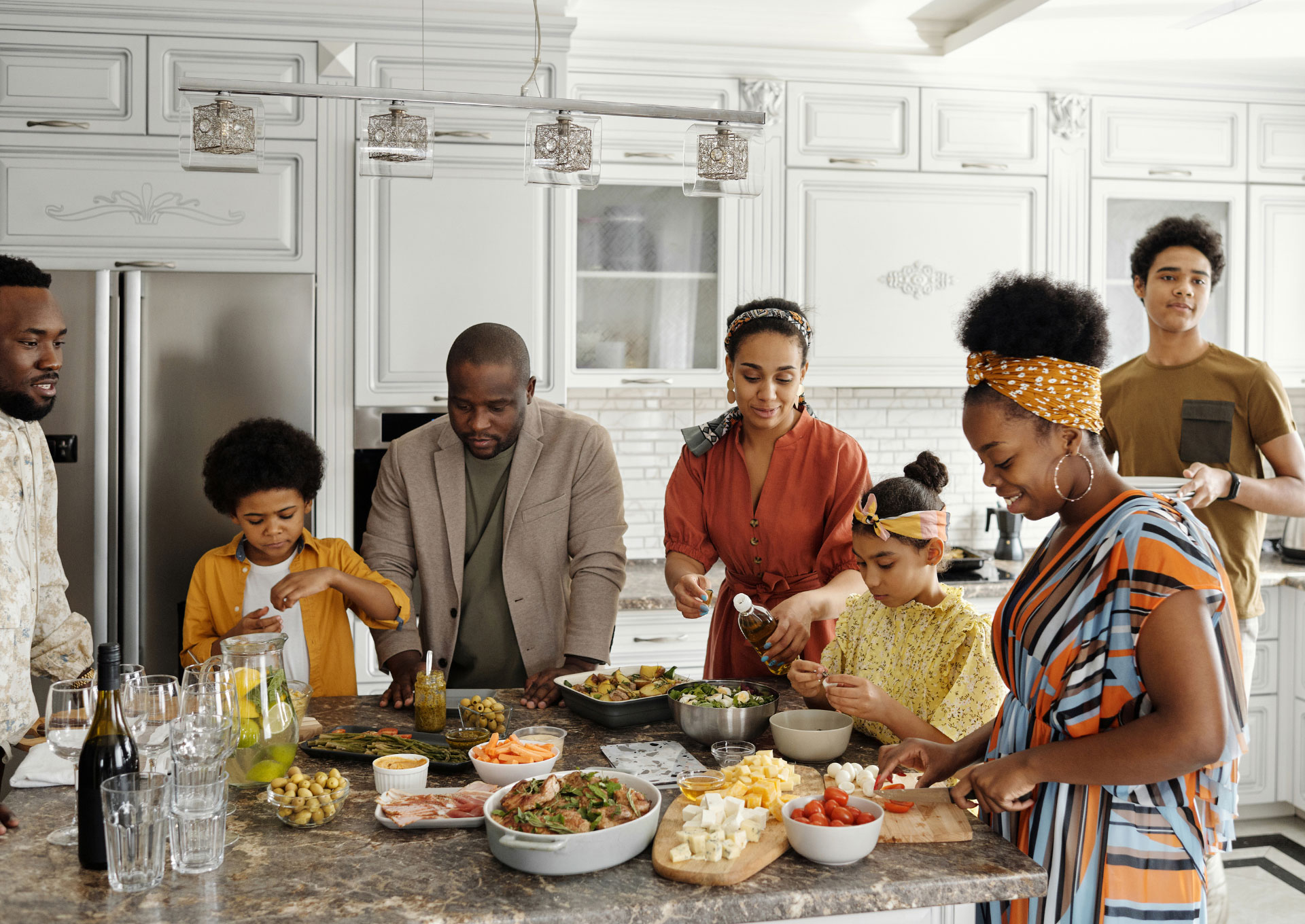
I often see firsthand how children bring a surprising clarity to the complexities of remarriage—sometimes even more realism than their parents. Take Greg’s story: He thought marrying Susan would finally bring peace at home. Instead, tension grew between Susan and his daughter Lindsey, whose refusal to accept her new stepmother created ongoing conflict. Greg and Susan hoped that official marriage would smooth things over, but instead, it revealed just how deep the emotional challenges of blending families run.
If you’re a divorced parent navigating remarriage, understanding your children’s perspective can be key to creating a healthier family dynamic. Drawing on my experience with couples counseling, family therapy, and coaching in Palm Beach Gardens and Jupiter, Florida, I want to share insights on how you can support your children—and yourself—through this transition.
| Feeling uncertain about how to help your family heal during this time? Coaching for parents and families can provide you with practical tools and emotional support to navigate these changes confidently.
Children Are Often More Realistic Than We Expect About Remarriage
Kids aren’t quick to gloss over the upheaval that comes with divorce and remarriage. Their skepticism often reflects unresolved feelings about family changes and loss. Sometimes, children feel their emotions or opinions have been overlooked, making acceptance of a stepparent difficult. This realism can actually be a valuable guide for parents ready to listen and adjust.
Acknowledge the Emotional Loss Your Children Feel
Divorce represents a real loss for children—the loss of the family structure they once knew and the comfort it provided. Recognizing this grief is essential. When children’s feelings of loss are validated, it opens the door to healing and helps ease resistance to new relationships. For parents, this means being patient and emotionally available as your children navigate their feelings.
Navigating the Emotional Push-Pull
Children may experience a complex mix of emotions during remarriage, including:
- Jealousy about the bond between you and your new partner
- Loyalty conflicts, worrying that accepting a stepparent means betraying their other parent
- Resistance to change, clinging to hopes of reconciliation
Understanding these conflicting feelings helps parents respond with empathy instead of frustration.
Respect Is Essential—But So Are Boundaries
While children don’t have to immediately like or accept stepparents, respect and civility are non-negotiable. It’s important to set clear boundaries so children understand that their feelings don’t give them permission to disrupt the family. Forcing relationships rarely works; instead, allow connections to develop naturally through relaxed, one-on-one time.
Avoid Guilt—Build a Secure Partnership
Many parents wrestle with guilt about balancing affection for a new partner and their children’s feelings. Remember, a loving, secure adult relationship sets the strongest example for children and creates the stability they crave. Prioritizing your partnership ultimately benefits the entire family.
| If you’re feeling overwhelmed balancing these emotions, I invite you to schedule a couples counseling session with me. Together, we’ll strengthen your partnership and create a united front for your family.
Handling Sarcasm and Negative Behavior with Calm
Adolescents especially may express their discomfort through sarcasm or defiance. Responding calmly, without getting defensive, and addressing hurtful behavior constructively can help de-escalate conflicts. This approach models emotional regulation and respect.
Balance Discipline With Sensitivity
Not every misstep needs harsh discipline. Learn to discern when to enforce rules and when to offer emotional support. Children need to feel heard and understood, even when boundaries are firm.
Healing Takes Time—Be Patient and Consistent
Emotional wounds from divorce and remarriage don’t heal overnight. Patience, consistency, and ongoing emotional availability are key as children gradually adjust to their new family reality. If you’re feeling stuck, family therapy or couples counseling in Palm Beach Gardens or Jupiter, FL can provide support and strategies tailored to your unique family.
The Power of a Strong Adult Relationship
The foundation of a healthy blended family is a secure, loving partnership between parents. Demonstrating mutual trust and affection gives children a model of a healthy relationship, fostering their own emotional security and resilience.
Final Thoughts: Create Space for Relationships to Grow Naturally
Blending families after divorce is challenging, but with empathy, patience, and clear boundaries, you can foster an environment where relationships thrive in their own time. It’s not about forcing connections but creating space for authentic bonds to form.
If you’re wondering how to navigate these complexities or seeking support, I invite you to explore our family therapy services and coaching for parents and families. Together, we can build stronger, more connected family relationships.
For more insights on strengthening your marriage while navigating family changes, check out my blogs on Marriage Counseling Insights for Couples in Palm Beach and Why Early Marriage Counseling Matters.
If you’re ready to talk, please don’t hesitate to contact me for a compassionate consultation.
About the Author
I’m Linda Lipshutz, M.S., LCSW, a licensed psychotherapist specializing in individual, family, and couples therapy. With training from Cornell, Columbia, and the Ackerman Institute for Family Therapy, I’m here to support families in Palm Beach Gardens and Jupiter, Florida through life’s transitions. Call me at 561-630-2827 or visit PalmBeachFamilyTherapy.com.